Small Talk about today's weather
How should one behave in society, conduct oneself with elegance, and engage in polite conversation? These are the questions explored in a gently ironic film Small Talk. Its director, Mateo Ybarra, reflects on good manners, etiquette, and the concept of “dog weather.”
Exterior. Day. Under a bus shelter, two strangers take refuge from a sudden downpour at the same time. One of them exclaims, “It's raining cats and dogs!” The other nods in agreement. The ice is broken, and the story begins.
Before going any further, it may be worth noting that the French expression "un temps de chien" (literally “dog weather”) dates back to a time when dogs were regarded as contemptible creatures, or at least as purely utilitarian animals. The expression has survived through the ages and can still be used today, in precisely this kind of situation, to strike up a conversation between two people who barely know each other.
But where can an ordinary conversation about the weather possibly lead? These seemingly insignificant exchanges, or pleasantries, nevertheless hold a rather particular place in our lives: for many of us, they are the lifeblood of our social interactions and encounters. It even seems reasonable to imagine that a conversation between two strangers can only begin with something they have in common, since both need to find some shared ground before a dialogue can take shape. The weather, an external phenomenon experienced by everyone, is of course a classic.
Now, let's move the scene from the bus shelter to a different setting.
Interior. Night. At a political dinner, two strangers find themselves standing around a high table. One asks the other, “And you? What do you do for a living?”
Beyond the rather strange exercise of condensing one's entire existence into a few brief seconds, it is worth noting that this is another commonly discussed subject: work, or at least how we occupy our days. Unlike the weather, however, the question allows us to place our interlocutor within society rather quickly. Sometimes, a single answer is enough for each person to form an impression of the one standing before them.
According to the rules of etiquette, it would actually be preferable to discuss subjects such as hobbies or holidays. Because yes, when it comes to good manners, there are subjects one may bring up, and others best avoided. The aim being, above all, not to offend the person opposite you.
It was precisely by looking more closely at what brings about these encounters, and the conventions that accompany them, that we began to imagine this film.
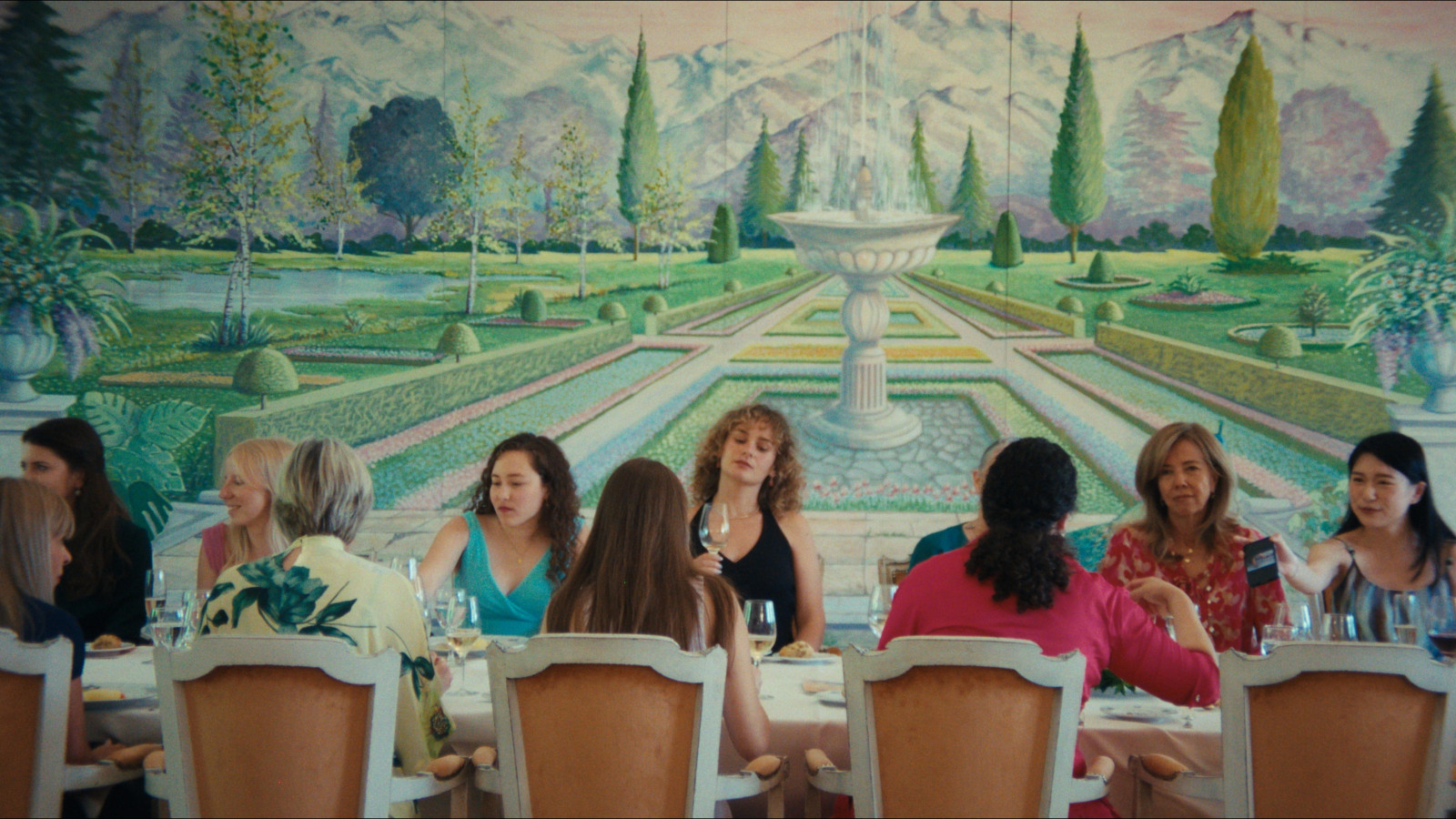
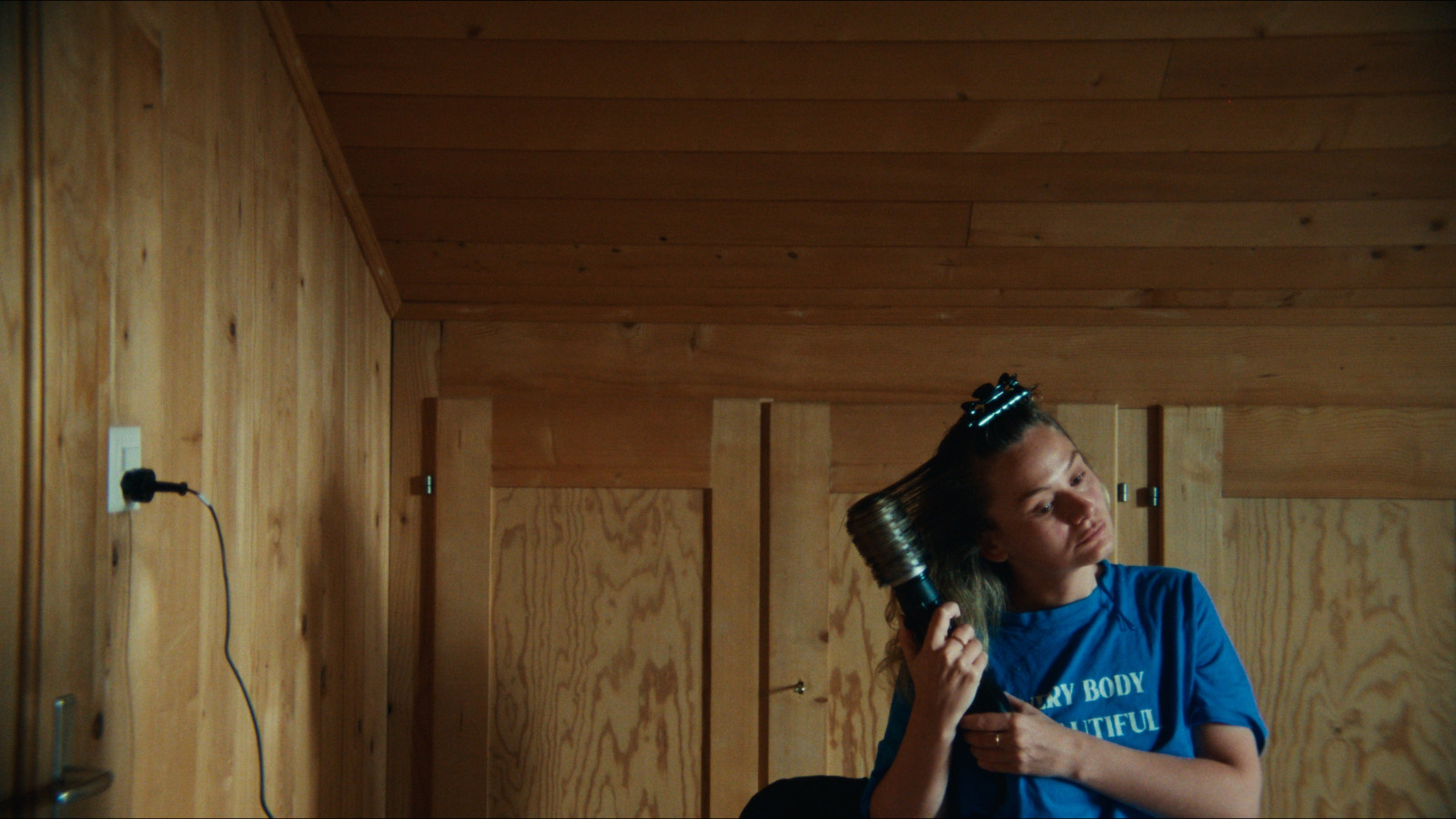
An actress is hired to play a real student at Switzerland's last finishing school. For six weeks, she undergoes intensive training alongside women from around the world who have come to learn how to navigate the most privileged social circles.
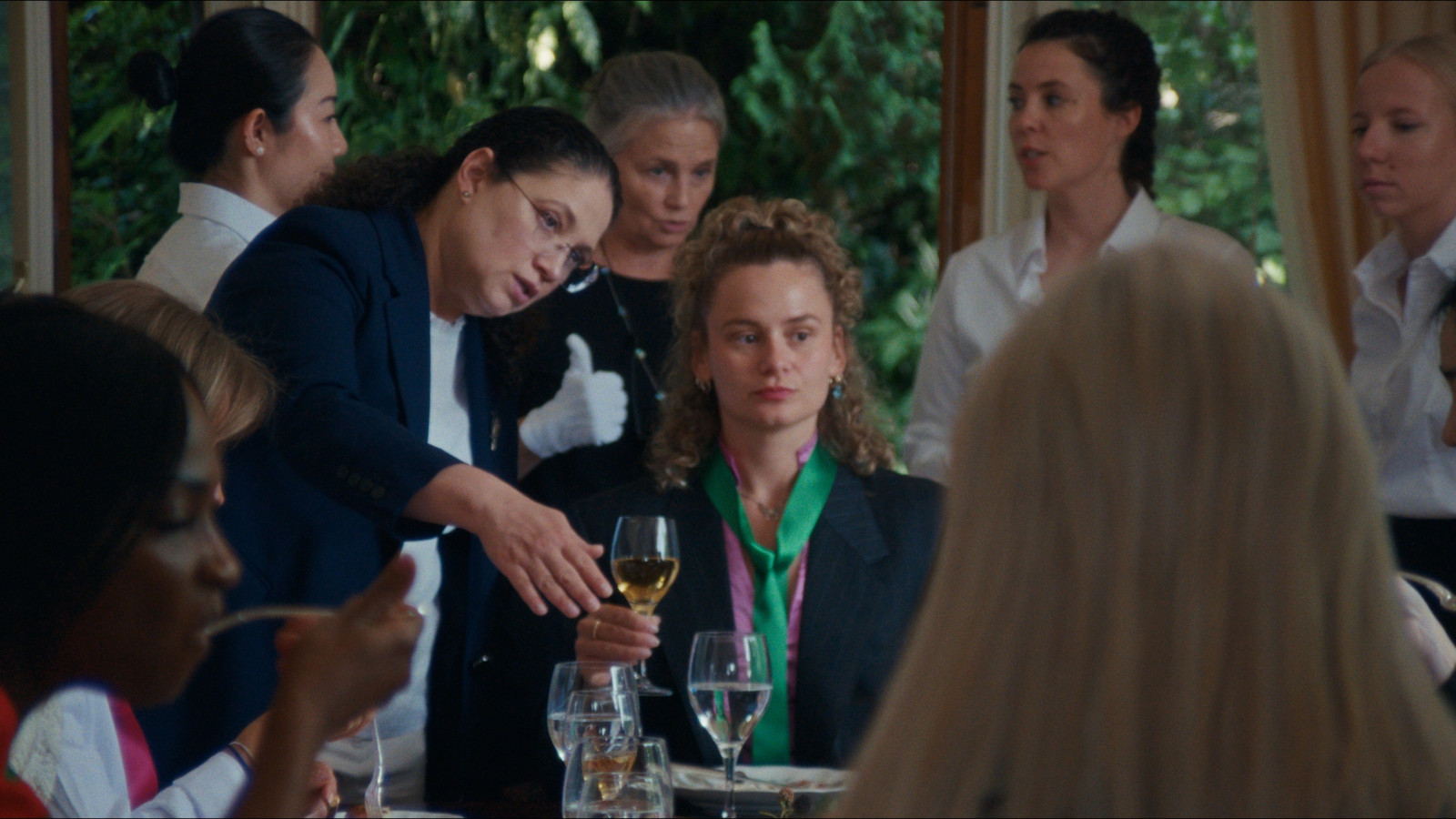
They are taught the art of entertaining, table manners, how to introduce themselves, but also the art of conversation. Small talk occupies a particular place in the curriculum, where students learn how to maintain a pleasant conversation. But classes make up only part of their days. Between lessons, the students gather, talk, sometimes confide in one another, and gradually get to know each other. This is precisely where the film lies: in these encounters taking place high up in the Swiss Alps.
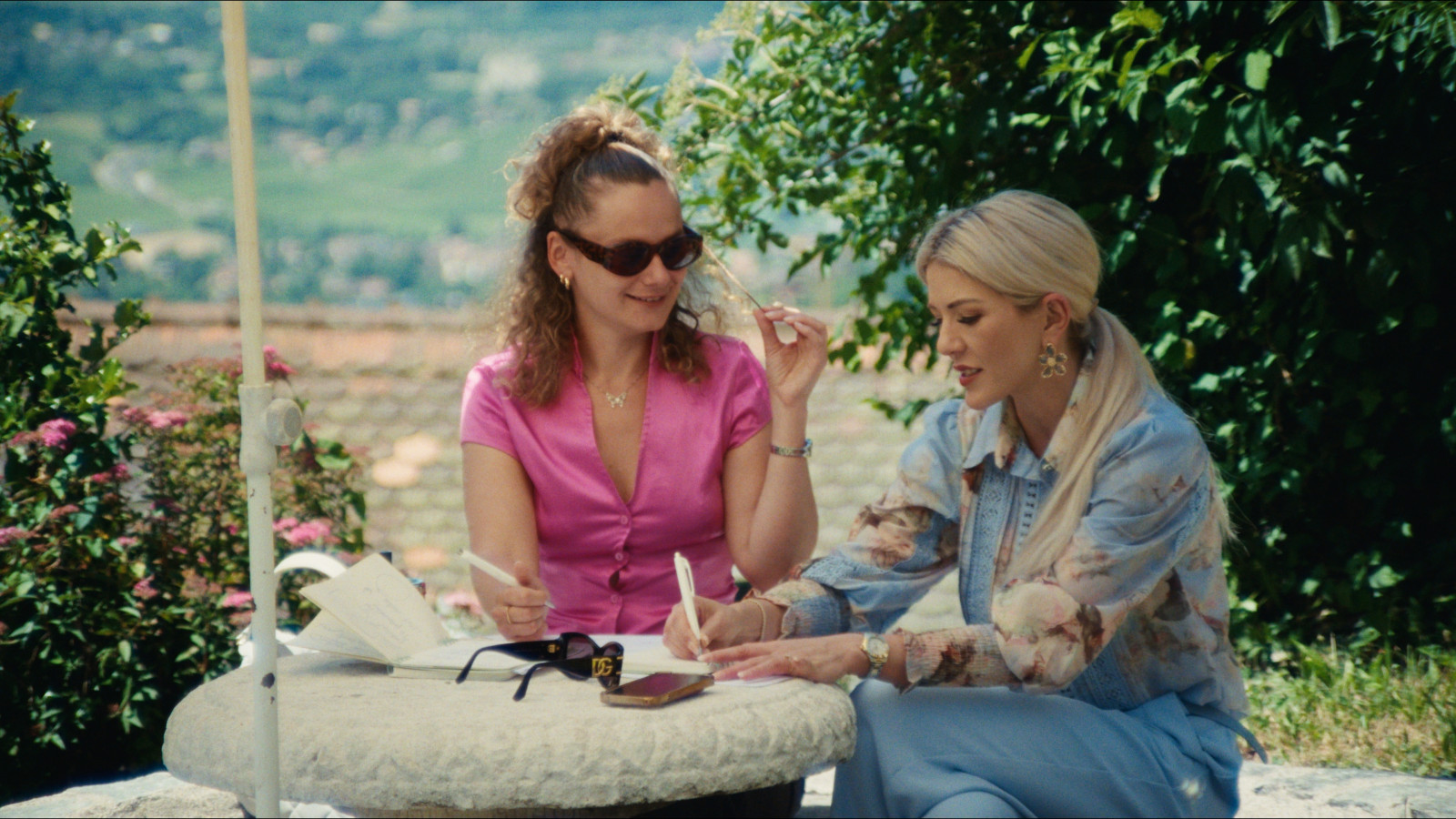
We thus spent six weeks at the school, accompanying the students as they learned the rules of a world they aspire to belong to, while trying to capture what might emerge beyond those rules. For while good manners are intended to facilitate human relationships, they also reveal something about those who practise them, and the worlds to which they grant access.
To finish, an anecdote: during filming, we were very often interrupted by sudden thunderstorms breaking out in the mountains above Montreux. Within minutes, torrential rain could give way to brilliant sunshine. This was the only drawback of the otherwise idyllic setting in which the school is located. Watching one of these storms, I found myself wondering: shouldn't we one day reconsider what the French call "un temps de chien" - “dog weather” - at a time when, in the world's wealthiest cities, some dogs are sheltered from the rain in strollers, while considerable care is taken to install street furniture designed to keep homeless people away?