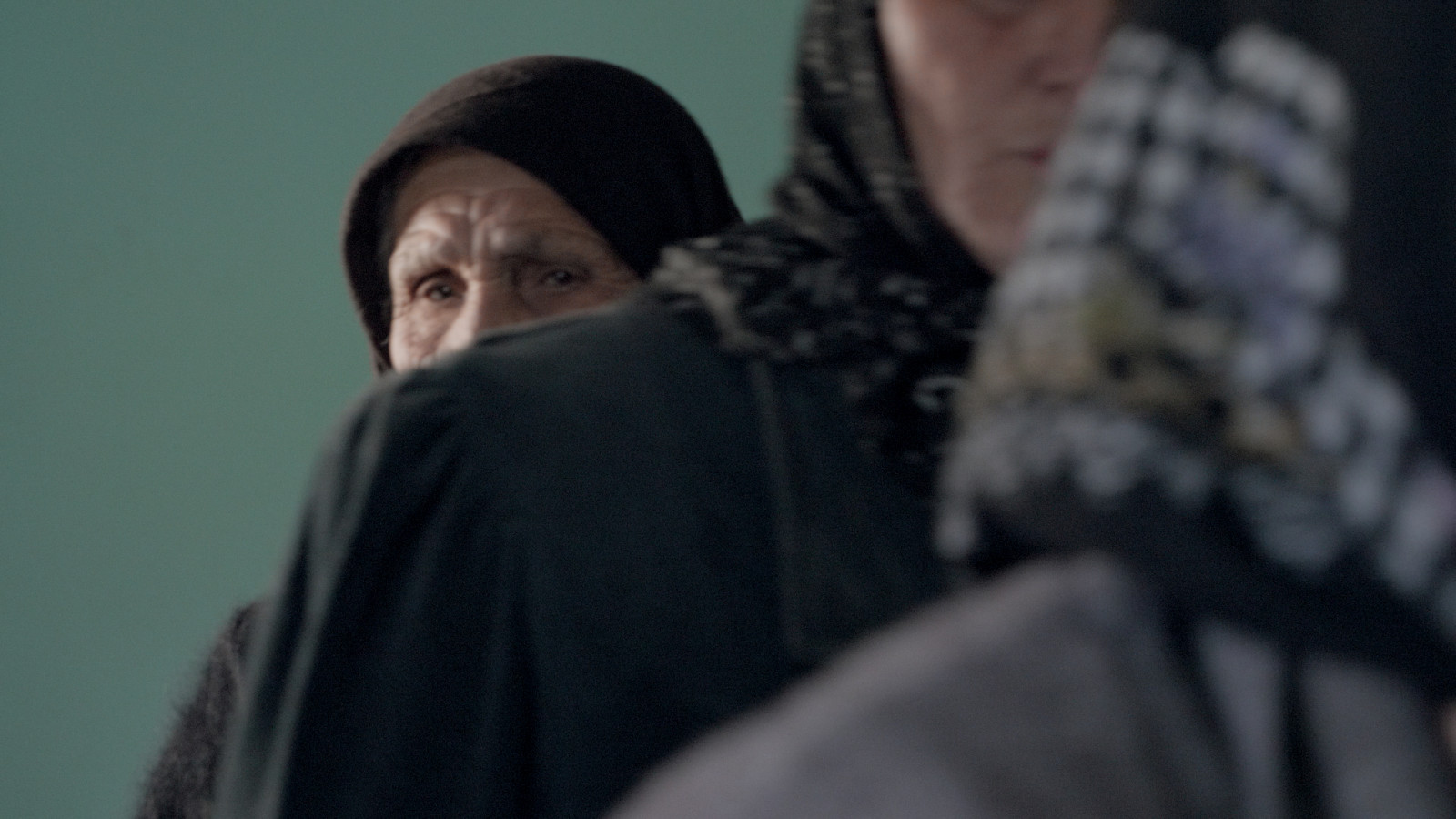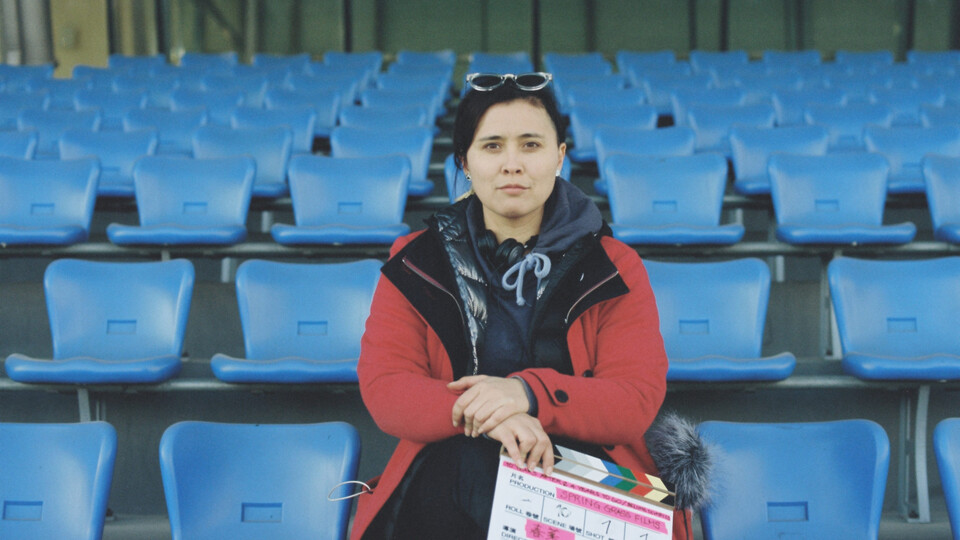
Sacred Songs began with a song heard by chance
In 2015, I came to Georgia’s Pankisi Valley to teach cinema in the school. I did not go there looking for a film. At the time, I could not have imagined that the people I met there would remain part of my life for the next decade, or that a film would slowly emerge from this relationship. This is where I met the women who would eventually become the heart of Sacred Songs. They were Muslim Kist women singing sacred Sufi songs, a tradition transmitted orally from one generation of women to another. Their voices were extraordinary, but what drew me to them was not simply the music. It was their presence: their humour, strength, contradictions, and the particular freedom they seemed to find when they sang together.
Quickly, the distance between them and me disappeared. I became their friend. At certain moments, I was almost their manager. I helped organize things, travelled with them and accompanied them when they performed abroad. We shared hotel rooms, airports, meals, arguments, waiting, excitement and exhaustion. The camera was present, but life was always larger than the film.
For a long time, I did not know exactly what Sacred Songs would become.
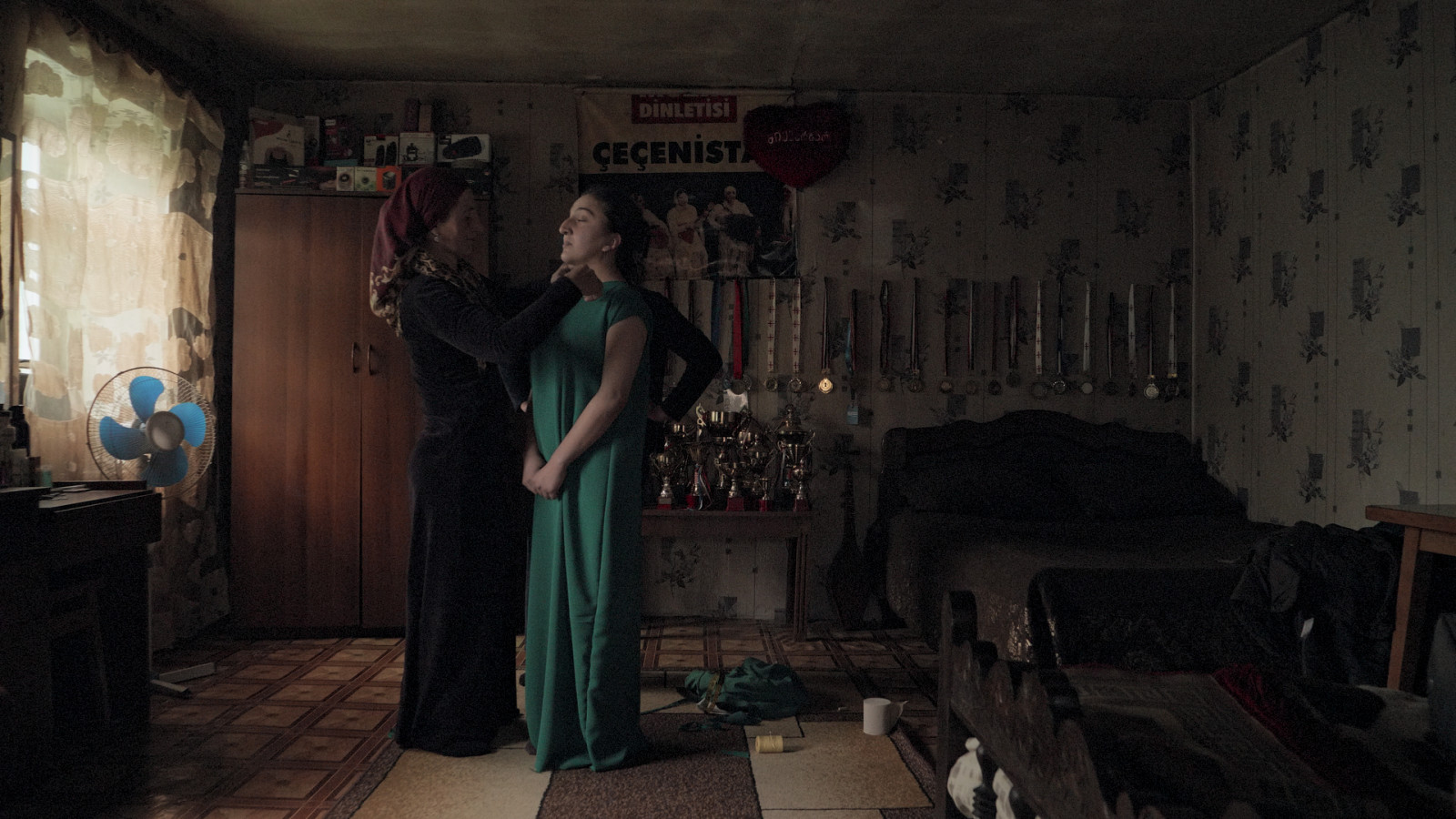
This uncertainty became essential to the way the film was made. I was not interested in arriving in Pankisi with a predetermined story and making reality fit inside it. The film had to grow from the time we spent together. Years passed. Relationships changed. The women changed. I changed. And the world surrounding this tradition was changing as well. The songs themselves carry memory. They have survived without notation, passed from voice to voice and body to body. But traditions do not disappear in one dramatic moment. Sometimes they fade almost invisibly: one person stops singing, another leaves, a younger generation becomes less interested, a social or religious environment changes. And something that once seemed unshakeable can suddenly feel very fragile. At some point, I understood that this fragility was becoming part of the story too.
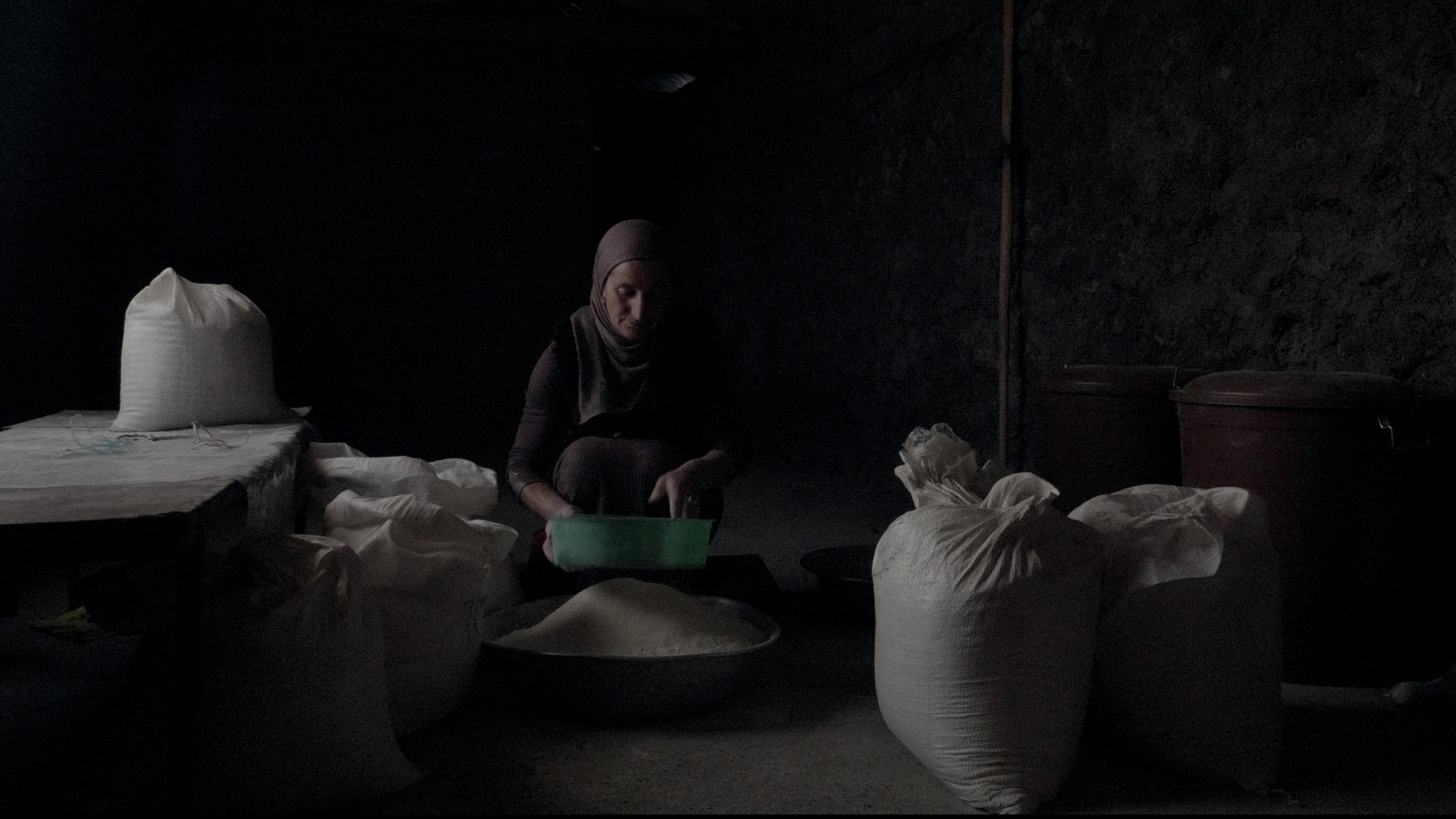
When Mariam Bitsadze joined the project as producer and co-writer, we returned to the enormous amount of material and research accumulated over the years. Together we began to understand what kind of film was hidden inside it. The process of writing was therefore unusual: rather than inventing situations that would later be filmed, we were looking at what had already happened, what had been recorded, and what was still unfolding in front of us. The structure gradually emerged from this dialogue between life and material. The same principle shaped the visual language of the film. Together with cinematographer Goga Devdariani, we tried to avoid imposing ourselves on the women or explaining them through the camera. Many scenes are filmed from a certain distance, in static and patient frames. The camera observes rather than pursues. It allows people to enter and leave the image, to speak or remain silent, to sing or simply exist within their own space.
For me, this distance is not a lack of intimacy. It is another form of intimacy, one based on trust.
When you film someone for many years, the question of what you have the right to show becomes increasingly complicated. The protagonists are no longer “characters.” They are people you love, people whose lives continue after the camera stops. Perhaps this was one of the most difficult parts of making Sacred Songs: understanding that closeness gives you access, but it also gives you responsibility.
“The obstacle standing in front of the film was not separate from the obstacle faced by the women themselves.”
At first, I may have thought I was making a film about women who were trying to break through silence with song. I did not expect the film itself to become trapped in the same silence. The production of Sacred Songs was interrupted because the main protagonists did not want their community to see the film. Their decision stopped the film for a period of time, but it also forced me to understand something that I had perhaps not fully understood while filming: the obstacle standing in front of the film was not separate from the obstacle faced by the women themselves.
They had been singing for years, moving between private and public spaces, between religious tradition and the desire for expression, between the expectations of their community and their own need to have a voice. Their songs carried memory, faith and identity, but singing publicly also had a price. And then the same contradiction entered the film itself. We had tried to create a space in which their voices could be heard, only to discover that sometimes, breaking one silence means creating another.
My task had changed. I was no longer simply trying to finish the film I had started. I had to find a new harmony and balance between the voice of the film and the voices of the women in it, including the voice that had become silent. The final edit became, in a way, a compromise on my part, a compromise that echoed the compromises these women make in their everyday lives, while still trying to preserve a space for their own voices. Sometimes, the boundaries we are forced to accept open the way to new horizons. This happened during the editing of the film. Its rhythm became as shifting and unpredictable as the story I am telling you about now, sometimes deafeningly loud and intense, at other times quiet and mysterious. This is why I believe that the language of cinema is almost limitless. Looking back now, I realize that perhaps the most important thing we recorded was not only the songs, but the fragile chain through which they continue to exist, and the women’s lives, at once silent and full of noise, creating their own kind of harmony.
Sacred Songs began with a song heard by chance. Years later, I understand the film as an attempt to listen long enough for that song, and the lives contained inside it, not to disappear unheard.