Outside And Inside The Windows. How Life Wrote 19th Floor
Colombian director Patricia Ayala Ruiz reflects on her film 19th Floor, which took twelve years to make. In an essay for dok.revue, she shares how her life and the passage of time shaped the film.
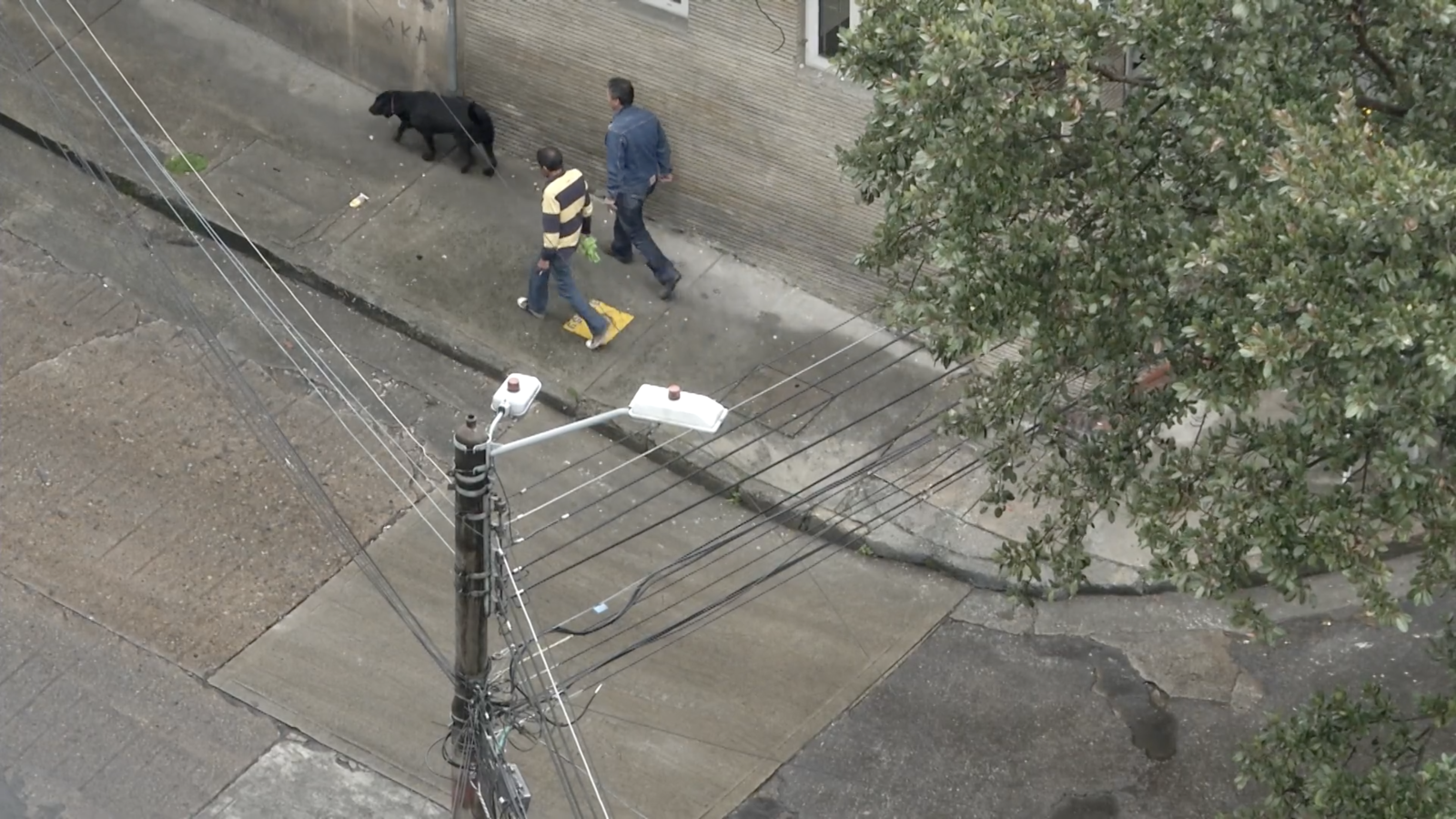
When I started shooting 19th Floor, I never imagined it could be an intimate, personal story. My first instinct was to explore what happens to us when we live in towers as modern citizens. It’s a strange kind of relationship, you can observe people through the window every day, sometimes all the time, while ignoring who they are. Even though you know them like a close friend, see them drinking coffee in the morning and wearing old pajamas, you wouldn’t recognize them if you bumped into them in the corner, wearing makeup or an elegant suit.
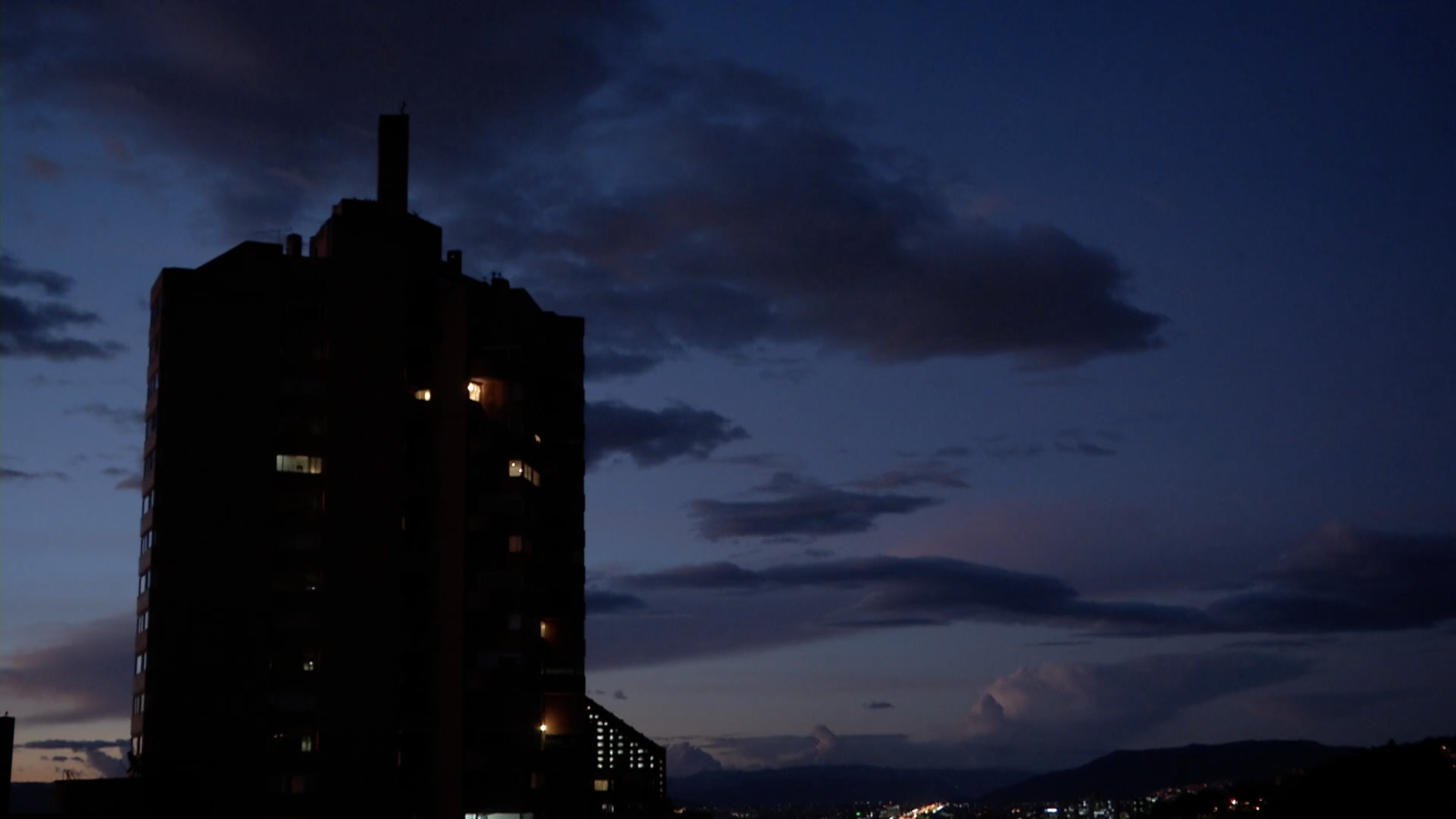
That was the first impulse to shoot. At the time, I had recently moved into a new apartment in downtown Bogotá, Colombia’s capital city. I had never lived in a high-rise building, and suddenly I was living on the 19th floor with a privileged view. I remember the weird feeling of seeing people as little toys, like Lego figures.
I had another motivation: a professional camera I didn’t know how to use. So I asked my life partner to teach me. He was a remarkable director of photography, and of course we had worked together on almost all our films. He gave me about four lessons, and then I became obsessed. Naturally, my passion for documentary filmmaking reflects a deep love of real images. My windows gave them to me: sunsets, heavy traffic, crowds in the streets going nowhere, skyscrapers under construction, and people living their lives. This is how my project began. I started this process in September 2014 and finished shooting in September 2017, the same year my partner died.
Cut. Take two.
Making a film is like a journey you can be on, whether inside or outside. My first movement was outwards. I was reading Georges Perec, a French novelist who writes about “the ordinary,” the kinds of things that happen day by day, filling your life.
“What happens every day and returns every day—the evident, the common, the ordinary... how do we account for it? How do we question it? How do we describe it?”
Over three years, this was my main question. My mind was always outside the windows, with the buildings, the streets, the workers in the towers, and the people in their homes. That's why I didn’t care about the ambient sounds inside my house. At that moment, I wanted to recreate all the external sounds to match the images. But in September 2017, one month after I finished shooting, my partner fell ill and died within a few days. My ordinary life was empty, and the movie was frozen for at least a year. When I started watching the rushes, I discovered snippets of conversation the camera's microphones had picked up.
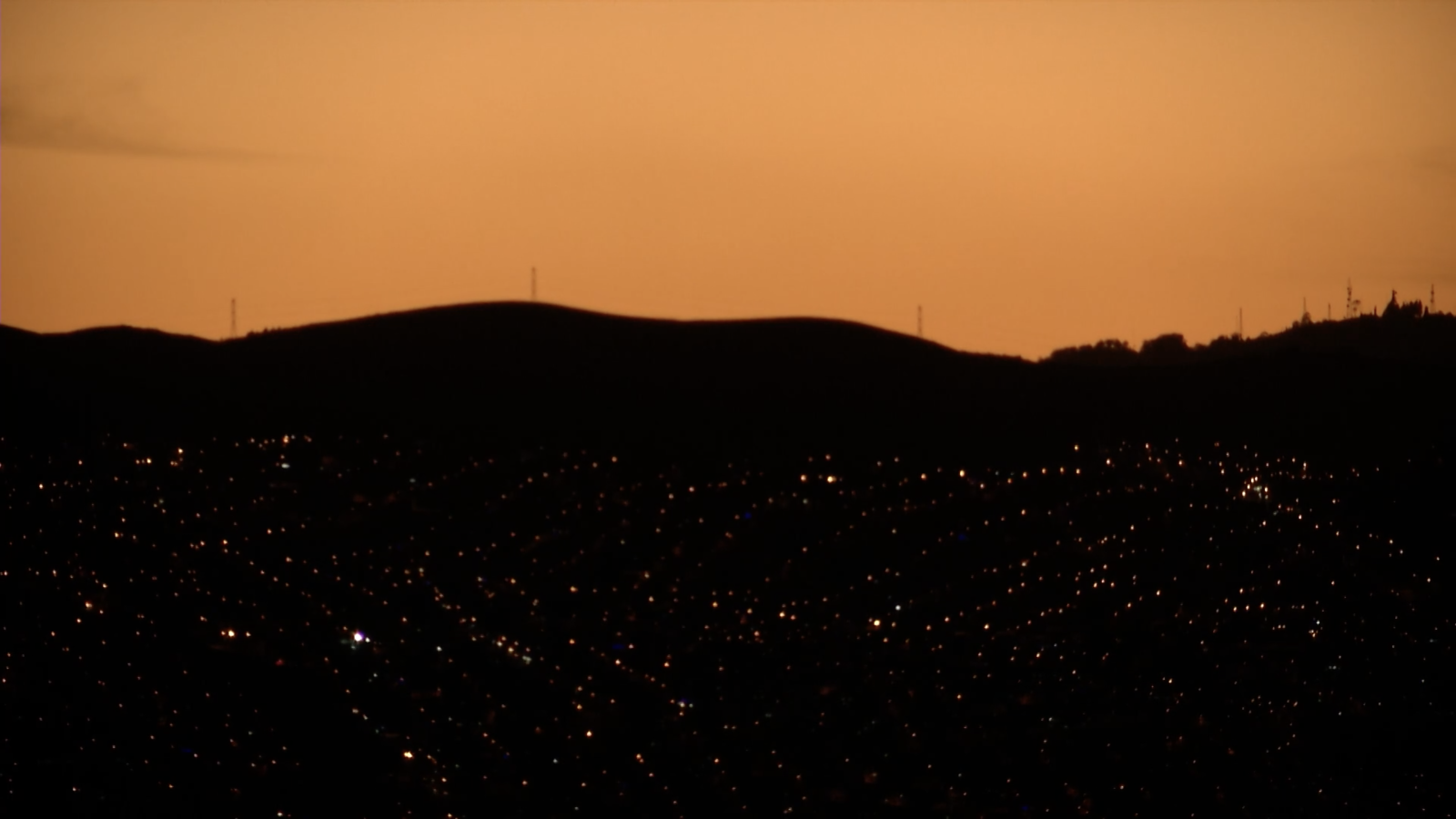
It was like listening to the life I no longer had. How do I account for it? How do I question it? How do I describe it? Now I was the person drinking coffee in the morning, wearing old pajamas. Maybe, for my neighbors, I was the same woman looking through the windows. My entire life changed, and I didn’t have an image for it.
From the start of shooting to the final cut, I had nine years. So the whole process of making this film took twelve years. It’s safe to say time was the main factor in writing the story. I believe cinema, especially in non-fiction films, is the art of waiting and renunciation. This process is my best example of waiting and the strongest proof of surrender. Time was my most precious resource, the luxury we can almost never afford ourselves.
Time and life change movies. In this case, the film recording is one thing, and the edited film is another. My second movement was inward, and the sound became part of my inner world. For the first time, my sound designer and I treated sound and image as independent yet related. Like a mirror, what you listen to could be the story of anyone far away, seen through the windows. Nothing extraordinary. Just the ordinary, made up of snippets you catch peeking out in this movie.